


Business: business@xtoolonline.com
Social Media Cooperation: Media@xtoolonline.com
Support: support@xtoolonline.com

Ever felt your car sputter when accelerating, or idle like it's about to stall? Chances are, your throttle position sensor (TPS) needs a quick reset. This tiny component plays a massive role in your engine's performance. Today, we'll walk you through two easy methods—including a modern, foolproof way using a diagnostic tool—to get your ride running smoothly again.
Before we dive into the "how," let's understand the "why." Knowing what the TPS does and when it needs attention is half the battle.

Think of the throttle position sensor as your car's "accelerator translator." Mounted on the throttle body shaft, its sole job is to tell the engine control unit (ECU) exactly how far open the throttle plate is—essentially, how hard you're pressing the gas pedal. The ECU uses this critical signal to calculate the correct amount of fuel to inject and adjust ignition timing. A properly functioning TPS ensures seamless acceleration, stable idling, and optimal fuel economy.
A TPS can fall out of calibration due to a dead battery, sensor replacement, or simple wear. Watch for these key symptoms:
You can tackle a TPS reset with or without specialized tools. Here are the two most common approaches.
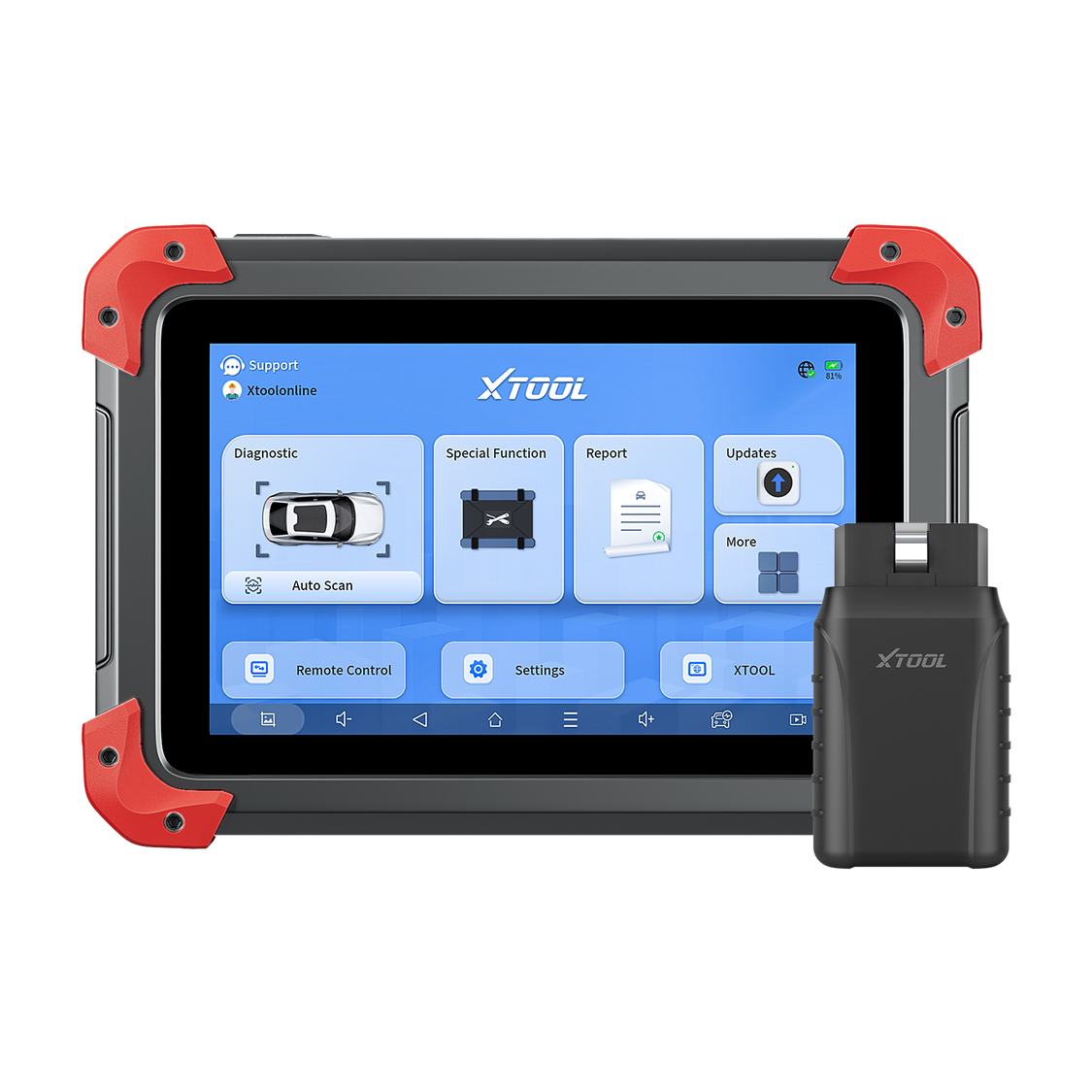
This is the fastest, most reliable method, especially for modern vehicles. Using a capable scanner like the XTOOL D7 BT diagnostic tool turns a potentially tricky procedure into a guided, menu-driven process.

This is a common "battery disconnect" method that works on some older vehicles but is less reliable for newer, computer-heavy models.
⚠️ Important Limitation: This manual method does not work on all vehicles. It also provides no confirmation of success or diagnostics if the problem persists.

Resetting isn't a cure-all. You likely need a physical TPS replacement if:
| Scenario | Reset TPS Will Work | Replace TPS Is Needed |
|---|---|---|
| Idle surges after battery replacement | ✅ | ❌ |
| Acceleration hesitation (no hardware damage) | ✅ | ❌ |
| P0120 error code persists after reset | ❌ | ✅ |
| TPS has visible cracks or corrosion | ❌ | ✅ |
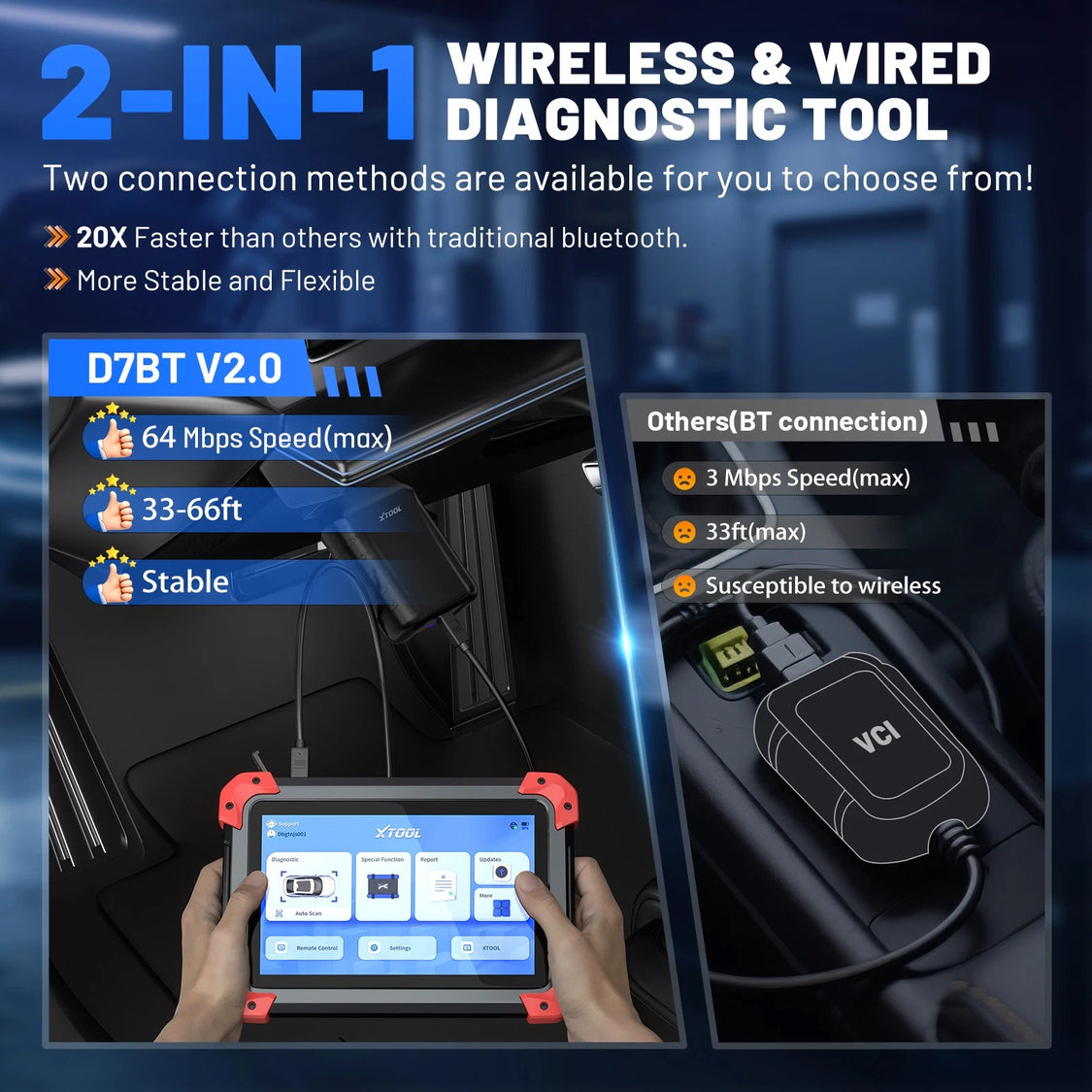
For a task that hinges on precise electronic communication, using the right tool makes all the difference. A capable diagnostic scanner, such as the D7 BT, transforms the process from a guessing game into a simple, guided routine. Its large touchscreen and intuitive menus provide direct access to the "Throttle Valve Adaptation" function, ensuring the reset is performed correctly for your specific vehicle model. Beyond just resetting the TPS, its ability to read and clear fault codes, view live data streams, and perform numerous other special functions makes it an invaluable asset for any car owner or DIY enthusiast looking to diagnose and solve issues accurately the first time.
Q1: Does resetting TPS fix idle issues?
A: Yes, if the idle issue is caused by incorrectly learned values in the ECU (common after battery work). If the problem is due to a faulty sensor, vacuum leak, or another mechanical issue, a reset alone won't fix it.
Q2: How long does a TPS reset take?
A: Using a diagnostic tool takes 3-5 minutes. The manual battery-disconnect method takes 20-30 minutes, excluding wait time.
Q3: Can I use a diagnostic tool to reset TPS on all car models?
A: Most modern professional-grade tools support TPS reset/adaptation for a wide range of makes and models. Always check your tool's coverage list for your specific vehicle.
Q4: Do I need to disconnect the battery when using a tool to reset TPS?
A: No. A proper diagnostic tool communicates directly with the ECU via the OBD-II port to perform the calibration, making the process safer and more reliable.
Q5:What are the telltale signs of a bad TPS?
A: Common red flags include engine stalling, rough idling, and sudden hesitation during acceleration, or simply connect an OBD2 diagnostic tool to scan for confirmed TPS-related trouble codes (such as P0121 or P0122).
Resetting your throttle position sensor doesn't have to be complicated. While the manual method is an option for some, investing in a reliable diagnostic tool offers a faster, more accurate solution and opens the door to confidently handling hundreds of other car diagnostics and maintenance tasks. For the DIYer or aspiring home mechanic, it's a smart choice that saves time, money, and frustration.


Business: business@xtoolonline.com
Social Media Cooperation: Media@xtoolonline.com
Support: support@xtoolonline.com