


Business: business@xtoolonline.com
Social Media Cooperation: Media@xtoolonline.com
Support: support@xtoolonline.com

If your car’s Check Engine Light has come on and an OBD2 scanner shows an EVAP-related code, you may be wondering what’s causing the problem. Is it simply a loose or damaged gas cap, or could there be a leak, faulty purge valve, or another issue within the EVAP system? EVAP problems can be tricky to diagnose because your car may drive normally even when the warning light is on. In this guide, we’ll explain what the EVAP system is, how it works, its main components, common symptoms and trouble codes, and how to diagnose EVAP problems step by step. We’ll also explain when professional repair may be necessary and how an OBD2 diagnostic scanner can help you identify EVAP-related issues more efficiently.
EVAP stands for Evaporative Emission Control System. It is an essential emissions-control system built into modern cars to stop gasoline vapors from leaking out of the fuel tank into the atmosphere.
Gasoline naturally creates fuel vapors, particularly as fuel temperature rises inside the tank. Rather than letting these vapors escape, the EVAP system captures and holds them temporarily. It later feeds the stored vapors into the engine, where they get burned during normal combustion.
This system plays a key role in cutting harmful vehicle emissions and keeping raw fuel vapors properly contained. Even if your car drives normally with no obvious performance issues, an EVAP-related fault can still trigger the Check Engine Light and log diagnostic trouble codes in your vehicle's ECU.
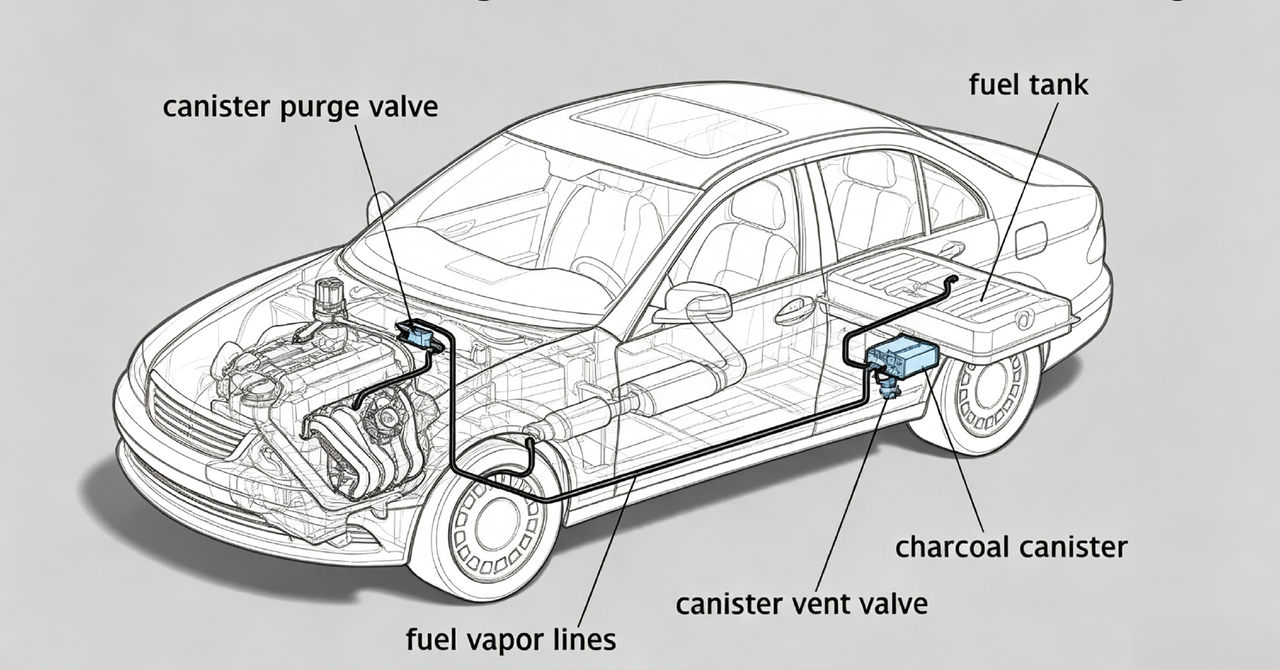
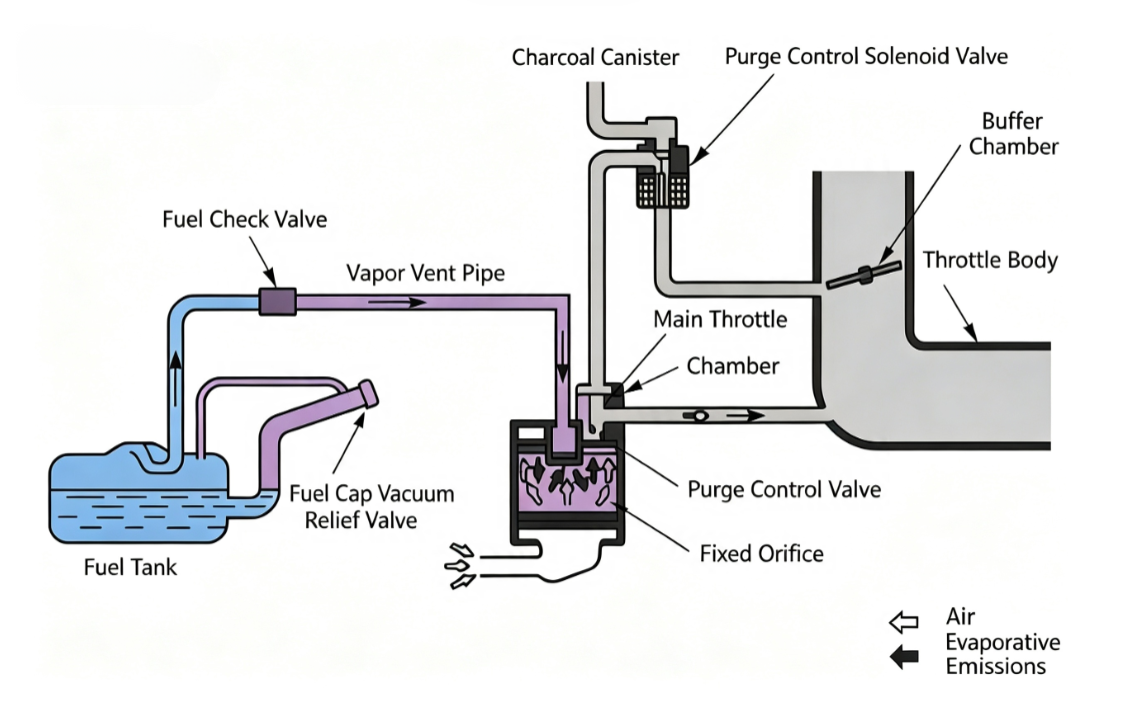
The EVAP system operates as a closed-loop recycling process. Instead of letting raw gas fumes vent into the air, it captures, stores, and burns them using4 main steps:
Heat inside the fuel tank makes gasoline evaporate, building up fuel vapor pressure. These vapors cannot simply vent into open air, so they flow toward the rest of the EVAP system.
Fuel vapors flow through hoses into the charcoal canister. Filled with activated carbon, this component works like a sponge to trap hydrocarbon vapors and keep them contained until needed.
The PCM / ECM constantly monitors engine running conditions. The purge valve stays closed during cold‑engine operation. Once the engine reaches its normal operating temperature, the PCM sends a signal to open the purge valve.
Engine vacuum draws trapped vapors out of the charcoal canister and feeds them into the intake manifold. The vapors then enter combustion chambers and get burned safely alongside regular fuel.
| Component | Function |
| Gas Cap | Seals the fuel system |
| Charcoal Canister | Stores fuel vapor |
| Purge Valve | Controls vapor flow to the engine |
| Vent Valve | Controls airflow into the EVAP system |
| Fuel Tank Pressure Sensor | Monitors EVAP pressure |
| EVAP Hoses | Connect system components |
•Check Engine Light: The primary and often only sign that a fault was detected.
•No Obvious Driving Symptoms:Most EVAP leaks cause zero noticeable changes in how the car drives.
•Fuel Smell: A faint odor of raw gasoline near the fuel cap or under the hood.
•Difficulty Filling the Gas Tank:The gas pump nozzle repeatedly clicks off mid-fill due to pressure buildup.
•Hard Starts or Rough Idle:Occasional hesitation after refueling if a stuck valve floods the engine with fumes.
•Failed Emissions Test: Automatic inspection failure due to active trouble codes in your ECU.
Think of a trouble code as your car computer’s error message. If a sensor finds a leak or stuck valve, the computer turns on the Check Engine Light and stores a code, such as P0455. Car Diagnostic Tools reads this code to pinpoint the fault for your repair.
| Code | General Meaning |
| P0440 | EVAP system malfunction |
| P0441 | Incorrect purge flow |
| P0442 | Small EVAP leak |
| P0455 | Large EVAP leak |
| P0456 | Very small EVAP leak |
EVAP faults won't affect how your car drives because they only control emissions, not engine performance.
Your car's computer (PCM) routinely runs automated pressure tests on the fuel system. If it detects even a micro-leak—like a loose gas cap, cracked hose, or stuck valve—it immediately turns on the Check Engine Light to alert you to an environmental leak, not a mechanical failure.

Yes, you should still fix it. While an EVAP leak won't leave you stranded, ignoring it comes with hidden costs:
•You Won't Pass Emissions Testing:In most regions, an active EVAP code (or a Check Engine Light) results in an automatic inspection failure.
•It Masks Worse Engine Problems:If your Check Engine Light stays on for a simple EVAP leak, you won't know if a new, serious mechanical issue develops later.
•You Waste Fuel over Time:Escaping fuel vapors mean you are literally losing gasoline to thin air.
•Easy DIY Diagnosis:Many EVAP issues are as simple as a loose gas cap. You can quickly pull the exact fault code yourself using a basic OBD2 scanner (or a Bluetooth diagnostic dongle) to see if it's a cheap 5-minute fix before taking it to a shop.
When troubleshooting EVAP issues, remember one crucial rule: Reading an EVAP trouble code is not the same as locating an EVAP leak. A trouble code points to a system condition—it won't pinpoint the exact failing part.
Follow this practical diagnostic flow to isolate the cause:
Read the specific trouble code (e.g., P0442 or P0455) and check Freeze Frame data to see when the fault occurred.
Inspect for a loose cap, cracked plastic, or a damaged rubber seal.
Check visible hoses under the hood and near the fuel tank for cracks, dry rot, or loose connections.
Verify if the solenoid valves are functioning or stuck open/closed.
Monitor Fuel Tank Pressure sensor readings to observe system vacuum levels.
If visual checks fail, inject low-pressure smoke into the lines to uncover microscopic leaks.
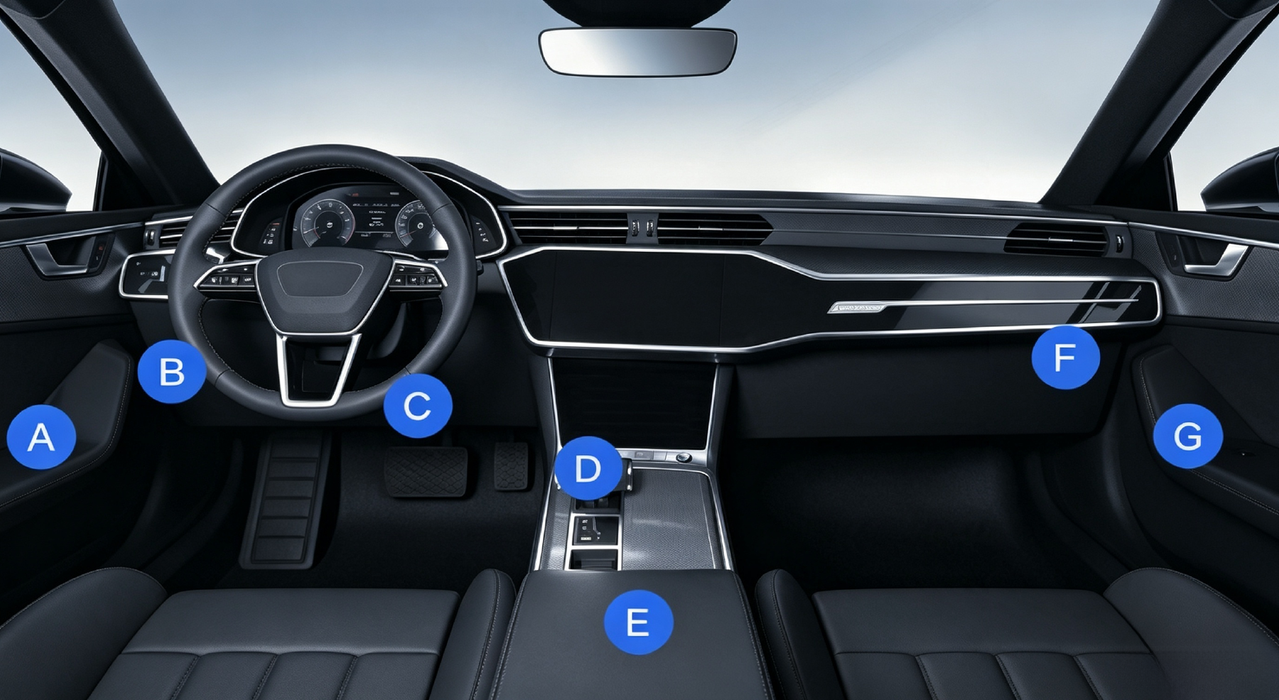
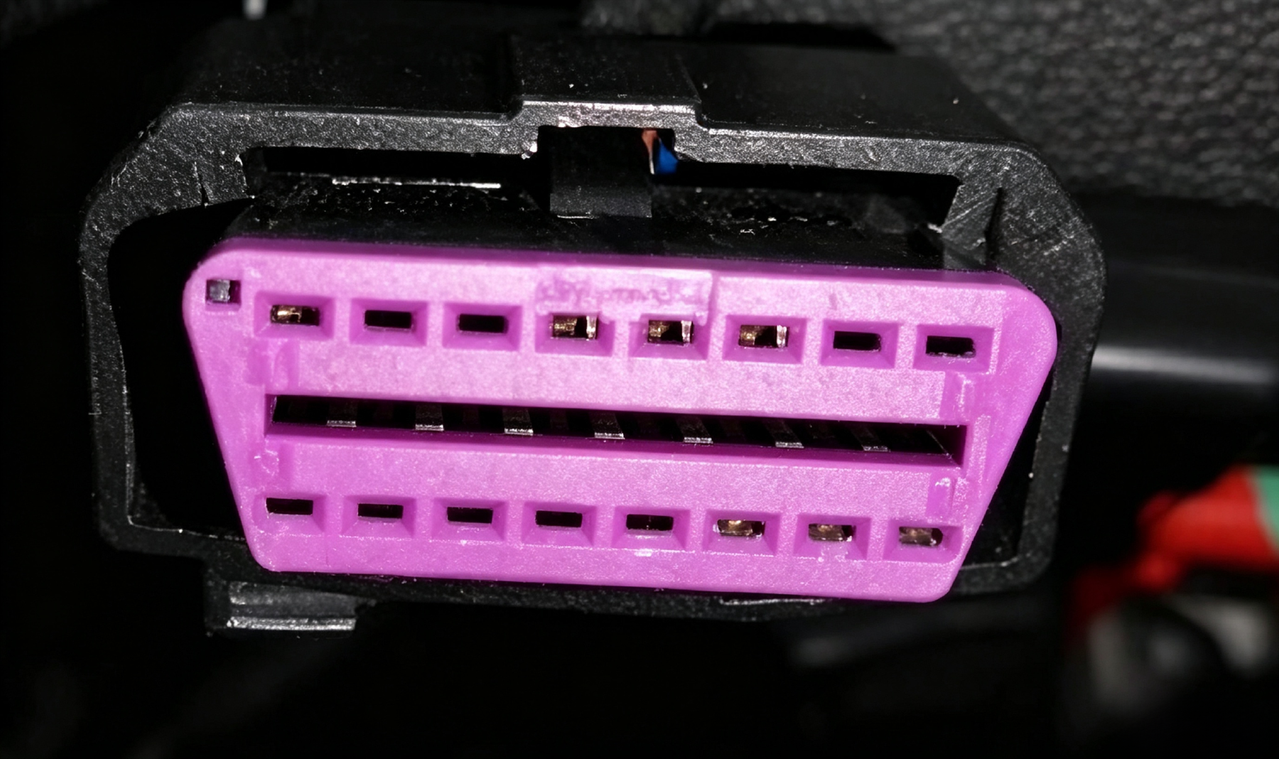
Yes, but the type of scanner you use dictates how fast you can pinpoint the issue:
Basic OBD2 Scanners: Read and clear basic emission codes and view simple data. They alert you to a leak but can't test individual parts.
Advanced Diagnostic Scanners: Provide deeper module access, enhanced live data stream, and freeze frame detail for better context.
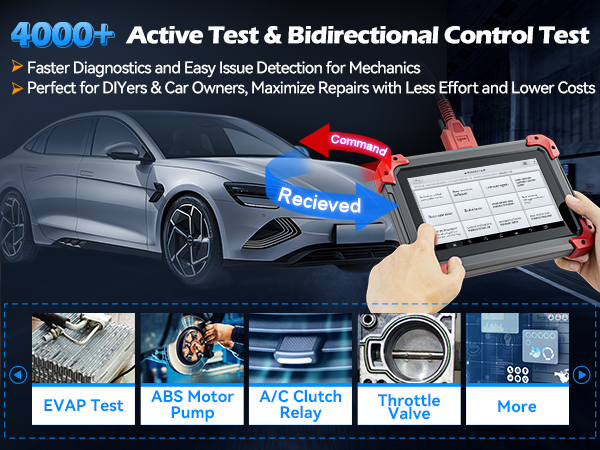
Bi-Directional Scanners: Allow active testing. You can send commands directly from the scanner to open or close components like the purge valve to test them instantly.
If you frequently diagnose EVAP issues or want to stop guessing which part to replace, an advanced diagnostic scanner provides far more value than a basic code reader.
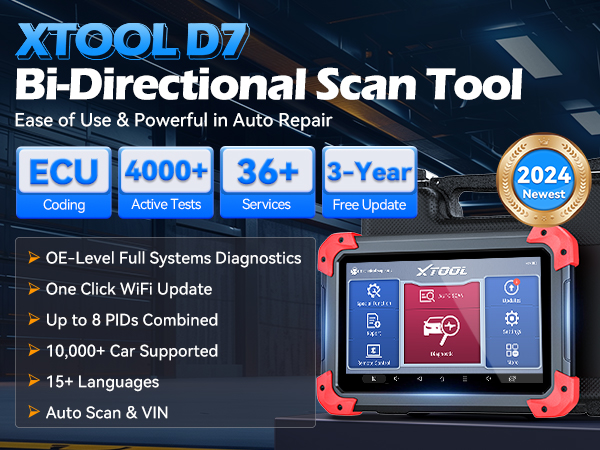
For DIYers and home mechanics looking to go beyond basic code reading, an advanced bi-directional tool like the XTOOL D7 makes EVAP troubleshooting significantly easier.
Instead of guessing whether a valve is broken or removing parts to bench-test them, the XTOOL D7 provides full diagnostic control:
Quickly scan ECU data, pull specific EVAP fault codes, and clear them after repair.
Monitor real-time fuel tank pressure data to see if the system holds vacuum during testing.
Actuate the EVAP purge or vent valve directly from the 7-inch touchscreen to verify if the solenoid physically opens and closes.
Supports full-system diagnostics, coding, and resets far beyond standard engine-code tools.
For those who want faster, accurate answers without replacing good components by trial and error, the XTOOL D7 offers a professional-grade solution for diagnosing supported EVAP and vehicle system faults.
While many EVAP checks are DIY-friendly, knowing when to call a mechanic keeps you safe and saves time.
Only the Check Engine Light is on and the car drives normally.
There is no strong gasoline odor or visible fuel leaking.
You smell strong fuel fumes inside or around the car.
The Check Engine Light keeps returning after basic repairs.
The issue requires specialized smoke-testing equipment or complex wiring diagnostics.
An EVAP system fault may not immediately disrupt your daily commute, but leaving it unaddressed can lead to failed emissions tests, unnoticeable engine problems, and wasted fuel. Fortunately, most EVAP issues stem from simple causes like a loose gas cap, cracked rubber hoses, or a sticky valve.
By following a structured diagnostic flow—from checking visual hardware to running active tests with a bi-directional scanner like the XTOOL D7—you can easily isolate the root cause without firing up the money cannon on unnecessary replacement parts. When in doubt, clear the codes, perform basic checks, and consult a professional mechanic if complex smoke testing or heavy fuel leaks are involved.
Business: business@xtoolonline.com
Social Media Cooperation: Media@xtoolonline.com
Support: support@xtoolonline.com