


Business: business@xtoolonline.com
Social Media Cooperation: Media@xtoolonline.com
Support: support@xtoolonline.com

Have you ever pressed the gas pedal, but your car doesn’t speed up right away? It may hesitate for a moment, feel sluggish, or even jerk before accelerating normally. If this keeps happening, you may wonder: Why is my car hesitating when I accelerate? Is it something serious? There are several possible causes, from a dirty sensor or worn spark plug to a fuel or engine problem. In this guide, we’ll explain the common reasons your car may hesitate when accelerating and how to find the cause.
Have you ever pressed down on the gas pedal, only to notice your car hesitates before gaining speed? This delay is acceleration hesitation. The power delivery feels inconsistent. The engine may struggle for a moment before it kicks in and accelerates.
It usually shows up like this:
Delayed throttle response: You hit the pedal, but the car takes a moment to react.
Jerking or stumbling: The car stutters or bucks briefly as you try to gain speed.
Temporary loss of power: Mid-acceleration, the engine feels flat—like it’s bogging down.
RPM surge without speed: RPM climbs, but the car barely moves. That doesn’t automatically mean the transmission is bad.
Uneven acceleration: Power comes in bursts instead of a smooth, continuous pull.
When you hit the gas, your engine needs just the right balance of air, fuel and spark, plus properly timed mechanical operation. Mess up any one of these, and the engine will stutter when you push it hard.
Lots of drivers jump to the conclusion that their transmission is breaking down. But most hesitation problems come from engine control or fuel and air supply faults instead.
The MAF sensor tracks incoming air, so the ECU knows how much fuel to inject.
Dust and oil build up on it over time. A dirty or faulty MAF sends incorrect data. This ruins the air-fuel mix and slows your acceleration.

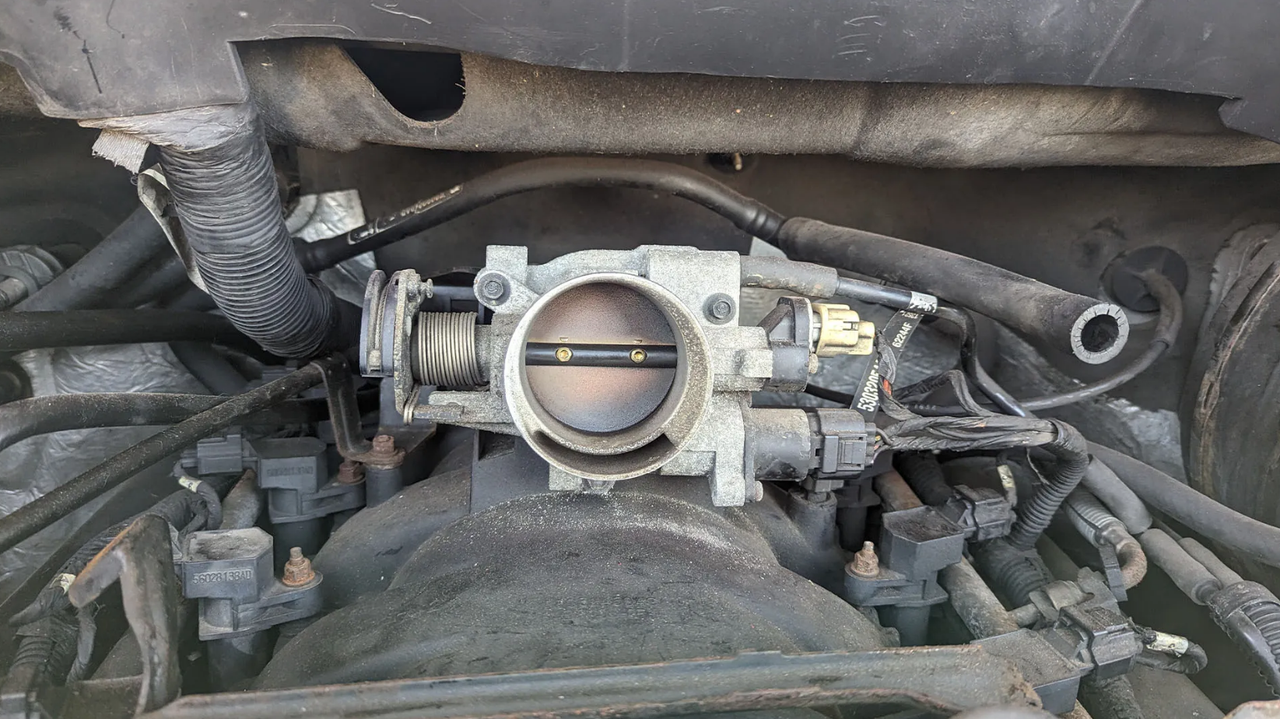
The throttle body manages airflow when you step on the gas.
Carbon deposits stick to its moving plate, causing slow or sticky movement. A bad throttle sensor also keeps the engine from reading your gas pedal input correctly.
Your engine requires extra fuel for acceleration.
A blocked fuel filter, weak fuel pump or dirty injectors can’t keep up. Fuel shortage under load creates that noticeable lag.
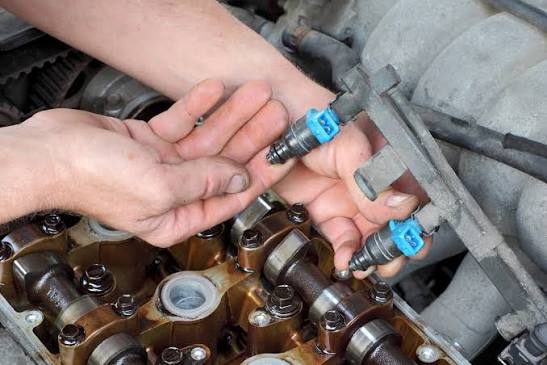
Strong sparks are required to burn fuel.
Worn plugs or faulty coils produce weak sparks. When accelerating, weak sparks struggle to ignite fuel, triggering hesitation or misfires.
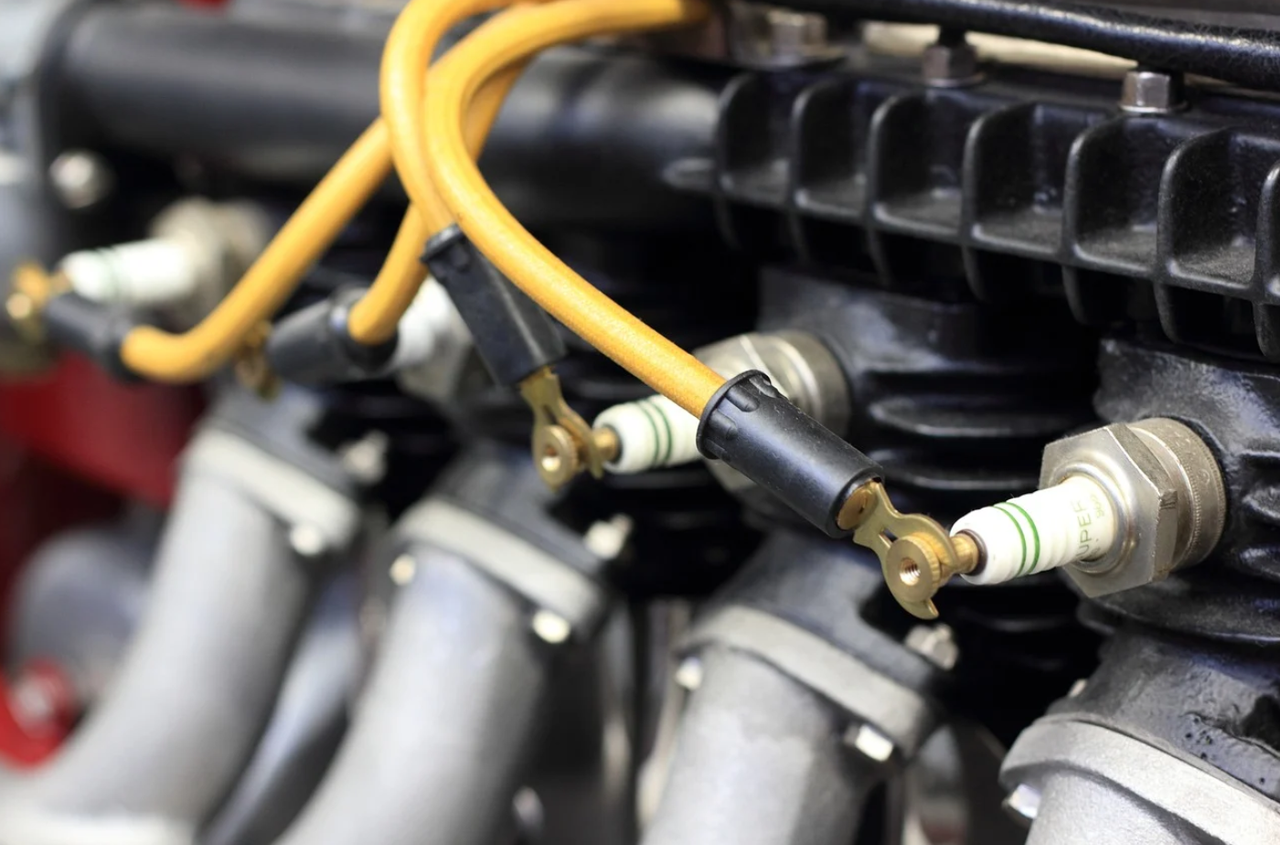
Vacuum leaks let extra, unmeasured air leak into the engine.
Cracked hoses or loose intake parts usually cause this. The ECU misses this extra air and adds too little fuel. Your car stutters on acceleration.
A misfire means a cylinder fails to burn fuel properly.
Acceleration puts more strain on the engine, so misfires become far more obvious when you hit the gas.
Transmission faults are less likely to cause hesitation, but they can happen.
Low fluid, worn components or slow valves delay gear shifts. From the driver’s seat, it feels exactly like engine hesitation.
You can narrow down the fault based on when the hesitation occurs.
Usually linked to the throttle body, MAF sensor, vacuum leaks or fuel supply. Bad idle calibration can also trigger this.
Likely a weak fuel pump, ignition faults, or torque converter trouble. The engine needs more fuel and spark under heavy load.
Check the coolant temperature sensor, cold-start fuel system or ignition parts that struggle in cold conditions.
Most often tied to MAF readings, oxygen sensors, fuel trim or ignition problems.
Scan for DTC codes first. The fault code will quickly guide you to the root issue.
Glance at your dashboard. A solid check engine light tells you to scan the car soon. If the light flashes, you’re dealing with a serious misfire. Cut back on driving and run a scan right away.
Grab an OBD2 scanner to pull engine fault codes. Codes such as P0101(MAF Sensor), P0171(System Too Lean), P0300(Random Misfire), and P0121 help you zero in on the root problem.
If your scanner supports freeze frame data, be sure to check it. It captures engine conditions the exact moment the fault popped up.
Live data is hands down one of the best diagnostic tools you can use. With the engine running, keep an eye on these readings:
As a quick reference: positive fuel trim means the ECU adds extra fuel to fix a lean mixture. Negative fuel trim means it’s cutting fuel supply. Most cars use roughly ±10% as a baseline, but always refer to your vehicle’s service specs.
Look over vacuum hoses for cracks or loose connections. Check intake clamps and your air filter too. Tiny leaks here can create noticeable driveability issues.
Take a look at spark plugs, ignition coils, fuel pressure, fuel filters and injectors. Don’t rush to swap parts out. Always test a questionable component first.
Log live data both at idle and while accelerating. Watch for sensor values that suddenly jump, drop, or behave oddly. This trick catches intermittent faults that won’t show up when the car is just sitting still.
Short answer: An OBD2 scanner is your best starting tool, but it can’t catch every single hesitation issue.
A quality OBD2 scanner saves you from blind guessing. It handles all these key checks to narrow down your acceleration problems:
Reads stored engine fault codes
Views real-time live data while you drive
Tracks fuel trim and sensor performance
Detects engine misfire activity
Compares data changes during acceleration
That said, not all hesitation issues trigger a fault code.
Common mechanical problems like a clogged fuel filter, weak fuel pump, or tiny vacuum leaks often fly under the radar. Your scanner won’t flag these issues.
Think of it this way: The scanner points you to the right area, but basic manual inspection is still needed. Never replace parts solely based on scan tool data.
The XTOOL D7 is a diagnostic scanner that can help you troubleshoot acceleration hesitation more efficiently. For this specific problem, the most relevant features are:
read codes from the engine and other modules
quickly identify stored and pending engine codes
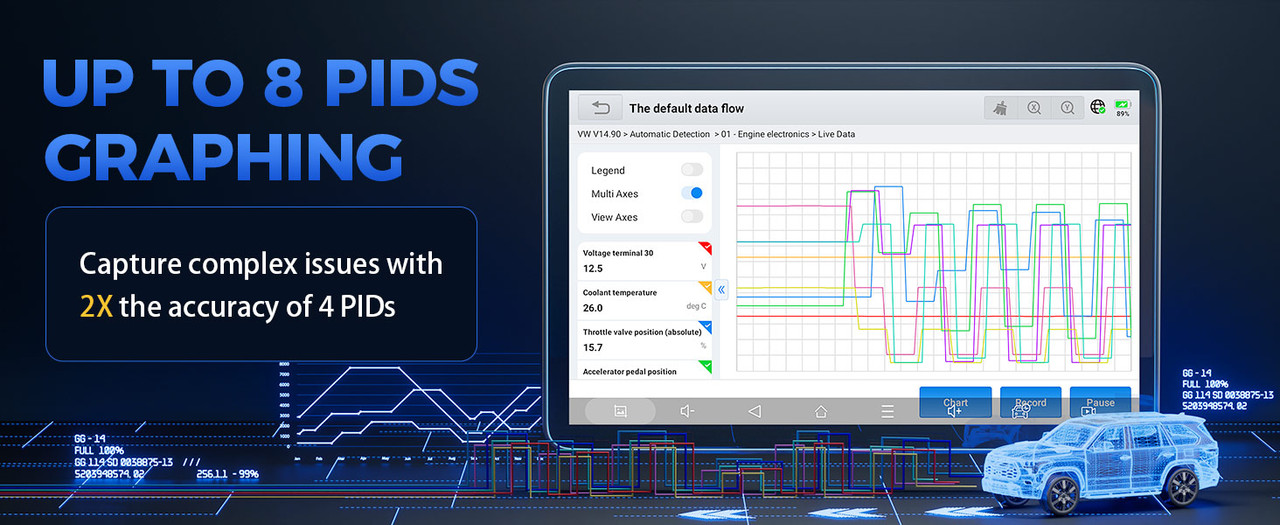
view MAF, throttle position, RPM, engine load, fuel trim, oxygen sensor data, and coolant temperature
spot sensor glitches or dropouts during acceleration
check misfire counters and identify affected cylinder
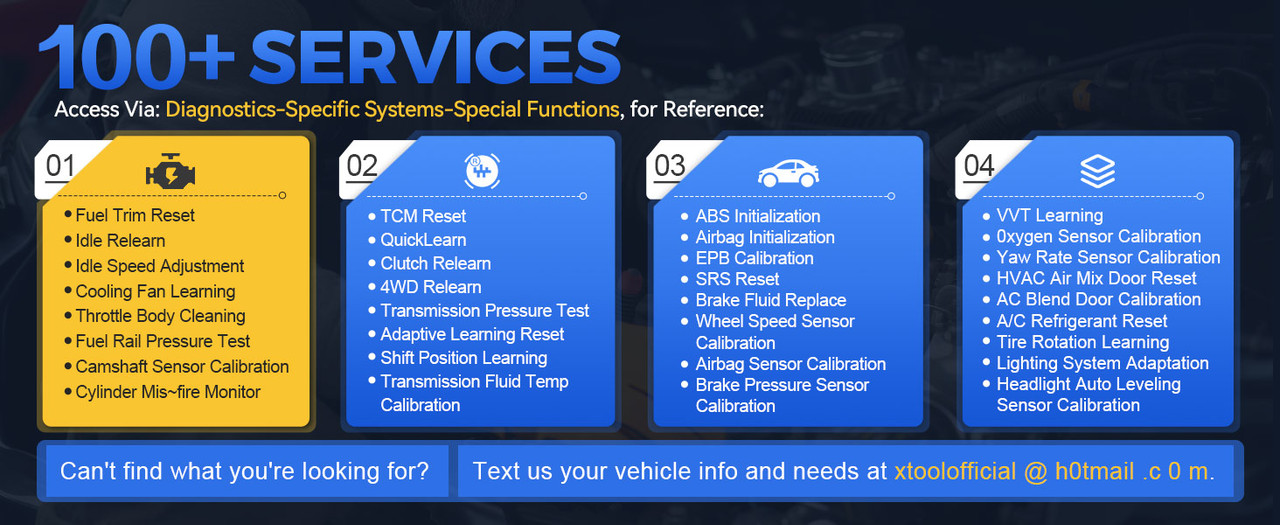
on compatible vehicles, perform active tests to command components and verify operation
If you want a scan tool that can read live data, graph sensor signals, and help you diagnose hesitation without guessing, the XTOOL D7 is a practical option.
| Possible Cause | Possible Next Step |
| Dirty MAF sensor | Inspect and clean or replace if required |
| Throttle body issue | Inspect and perform relearn when required |
| Vacuum leak | Check and repair leaking hoses |
| Ignition problem | Inspect spark plugs and ignition coils |
| Fuel delivery issue | Check fuel pressure and related components |
| Misfire | Diagnose the affected cylinder |
| Sensor fault | Confirm the fault before replacement |
Some symptoms mean you should stop driving and get professional help. These include:·
These can indicate serious problems that may damage the engine, transmission, or catalytic converter if ignored.
No. Brake cleaner and WD-40 damage the sensitive MAF sensor. Only use a dedicated MAF sensor cleaner.
Costs vary. Simple DIY cleaning costs under $20. Replacing spark plugs or vacuum hoses runs $50–$200. Major fuel system repairs can cost $500–$1,000 or more.
The A/C compressor adds extra engine load. Minor issues like worn plugs, dirty intake or unstable idle will show obvious hesitation under this extra load.
No. A slightly worn TPS may cause intermittent signal drops without storing codes. You will feel hesitation, even with no warning light.
Yes. Low fluid reduces hydraulic pressure, delaying gear engagement. This causes RPM to rise while the vehicle speeds up slowly.
Business: business@xtoolonline.com
Social Media Cooperation: Media@xtoolonline.com
Support: support@xtoolonline.com